 24-Hour Turnaround Commitment
As a forklift owner and/or operator, learning how to read a forklift data plate is an essential part of your training to use the equipment safely. On this data plate, you can find all of the essential safety and performance information that applies to the best operational practices. This information will help you avoid some of the most dangerous risks of using a forklift, including overloading, tipping it over, and other violations that can threaten safety in the workplace.
Think of the forklift data plate as the “spec sheet” with all of the details you need about the machine’s capacity, attachments, uses, and operating limits. It’s important that you understand all of this information before using the equipment.
What a Forklift Data Plate Is & Why It Matters
On every machine, you can find a forklift data plate, serial number, and other applicable information. This plate is durable and affixed to the forklift, showing essential details such as the forklift model, weight limits that can be carried by the forklift, mast specs, and any details you need about the attachments.
This forklift data plate isn’t just a “nice to have” feature; it is required by OSHA to ensure legal compliance and safe operations at all times. Before lifting or moving any load, this information should be reviewed by each operator so that they can follow safe lifting practices based on the type of forklift being used.
Where to Find the Data Plate
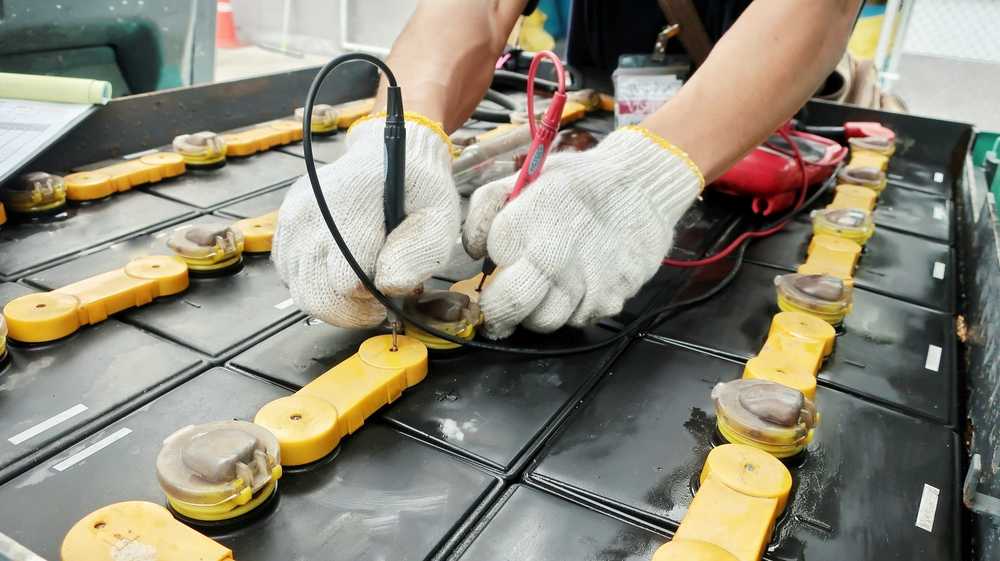
In most situations, a forklift data plate can be found close to the dash or operator seat. Check the surrounding areas and the frame. If you have an electric forklift, then check the battery compartment because some manufacturers place the data plate near the battery.
One essential thing that you need to understand: if the forklift data plate or load center information is missing or unreadable, then the forklift should be taken out of service. This data plate needs to be replaced by an authorized dealer before you can be cleared to use the forklift in the workplace again.
Key Sections of a Forklift Data Plate
As you are learning how to read a forklift data plate, there are several pieces of information that you will find:
- Manufacturer name
- Model details
- The forklift data plate serial number
- Mast type
- Lift height
- Truck weight and gross vehicle weight
- Fork dimensions
- Tire type & size
- Attachment details
- Fuel type or battery voltage
How to Read Load Capacity Ratings
Understanding how to read a forklift capacity plate is one of the most important things that you need to know before operating the equipment. This information helps you know how far the load will be able to extend away from the carriage, usually ranging from 24-36” up to 48”.
The load center and safe lifting capacity go hand in hand. For example, if you have a bigger load center, then it decreases the safe lifting capacity.
As a general rule of thumb, the forklift capacity changes based on lift heights, which is why you should always check the forklift load capacity chart before using the equipment. The data plate will list all of these variations so that you know the safety limits that need to be maintained.
If you are using forklift attachments, then they will reduce capacity since the attachments increase the weight and can even shift the center of the load.
Reading Plates with Attachments
Since the attachments change the forklift’s lifting capacity, you’ll need to read the information based on the type of attachments you are using: side shifters, fork positioners, or clamps. Make sure that you are referencing an updated plate that aligns with the attachments that are being used.
If you need to update the nameplate because you have new attachments, then reach out to the manufacturer or authorized dealer for this update.
OSHA & Safety Requirements
OSHA oversees safety in the workplace, and OSHA 1910.178 requires that forklifts have accurate, readable data plates. These plates are required by law in order for the equipment to be used. If a forklift is in operation with an incorrect plate or if it is missing the capacity chart info, then it’s a safety violation that can result in fines and penalties.
So, make sure that all of your forklifts have accurate data plates, especially if you change the attachments that are being used. These plates must always be updated based on the forklift and attachment combinations.
Common Operator Mistakes
One of the reasons why every operator needs to know how to read a forklift data plate is that this information helps you avoid some of the most common mistakes that happen with forklifts.
For example, a common mistake is assuming that the max capacity can be handled at all heights. Instead, you need to understand that height changes capacity, so adjust your load accordingly. Also, the load length will shift the center of the load, so accommodations need to be made if you are using attachments to lengthen the load.
Never operate a forklift if the plates are unclear, damaged, missing, or incorrect. It’s essential to understand that these plates are essential, and the forklift should be parked until the plate can be replaced if needed.
Quick Operator Checklist
Follow these steps every time you use a forklift:
- Check the data plate at the start of your shift and before using the forklift.
- Double-check the load weight, load center, and lift height to ensure that everything matches plate limits.
- If attachments or mast setups change, then recheck the data plate before operating.
FAQ
What happens if a forklift has no data plate?
If the data plate is missing, then the forklift should be removed from service. Only forklifts with accurate data plates can be operated.
Do attachments always reduce capacity?
Yes, all attachments will have an impact on the forklift’s capacity. So, it’s essential to check attachment details when the equipment changes.
Questions About Your Forklift? Contact the Experts
If you need more information about how to read a forklift data plate, then our team at ACE Equipment is just a phone call away. We offer full-service solutions to ensure that you have the right equipment for your needs, and your operators are following safe practices when they are driving the forklifts.
If you need forklift rentals, services, plate updates, or personalized advice, then contact us today for personalized recommendations.