 24-Hour Turnaround Commitment
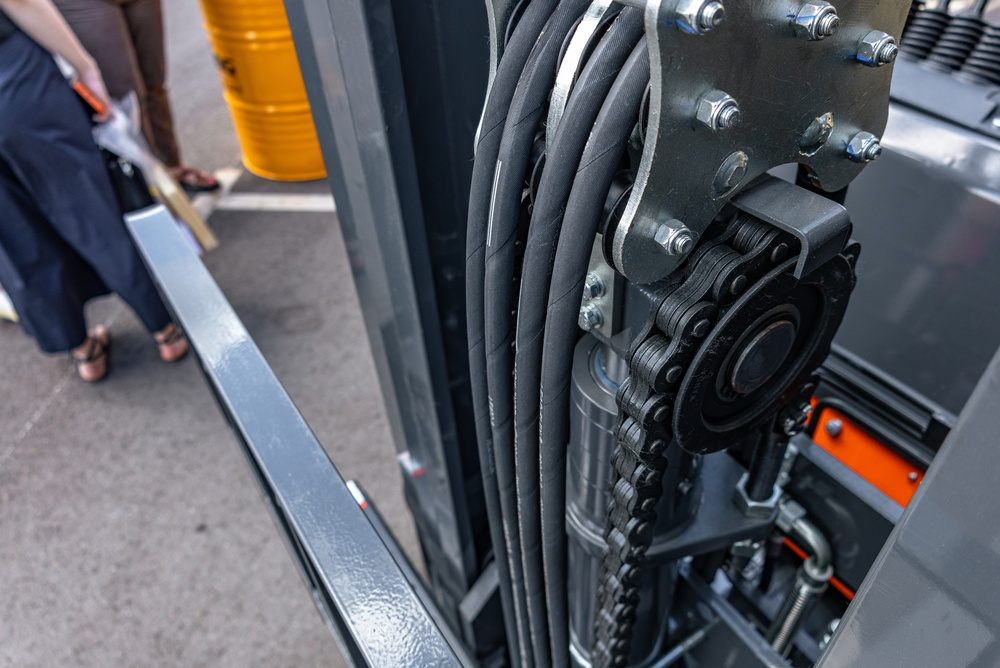
When a forklift mast won’t lift, there are a few things that you can troubleshoot to identify the root cause of the issue. Most often, problems with the lifting motion of the forklift mast are related to the hydraulic or mechanical systems, or it could be something inside the lift cylinder.
If you are having lifting problems, then it’s important to take a proactive approach to maintenance and repairs. The key is to address the issues in the earliest stages because then you can prevent the risk of a dropped load.
Here are a few things to try if you have a forklift mast that won’t lift:
Always Park the Truck Safely
The first step is to make sure that the forklift is parked and secure. The forklift shouldn’t be used if there are any problems with the mast or lifting features, such as:
- Jerking
- Grinding
- Stalling out while carrying a load
- Lowering on its own
Any of these issues could be an indication of a crush hazard with the forklift, which poses a serious safety threat to everyone in the area. So, the forklift needs to be tagged immediately and taken off the work floor. OSHA requirements state that powered industrial trucks should not be used if they are causing unsafe conditions. Not only do you need to ensure that you are maintaining compliance, but it’s also just as important to protect your crew and the loads that are being moved.
Possible Hydraulic Causes When the Forklift Mast Isn’t Lifting Right
When lifting problems occur with a forklift, the first place to inspect is the hydraulic system. There are three potential hydraulic-related causes that could be affecting the performance of your forklift:
- Fluid Levels: Start by checking fluid levels. Make sure the mast is lowered and the forklift is parked on level ground. It’s an easy fix to top up low fluid, and this is actually one of the most common causes when a mast isn’t lifting.
- Pump or Relief Valve: If the fluid levels look ok, then the next place to look is at the pump and relief valve. For example, if the pump is worn down or the relief valve is stuck, then it’s hard to maintain the necessary pressure…which means that the forklift can’t push the load up. Symptoms that indicate you might have an issue here include a whining sound, hot fluid, or the motor straining (but the forks are barely moving).
- Control Valve: Finally, take a look at the control valve to see if there are any issues that could be contributing. For example, you might notice that the forklift can only lift partially, or it is limited to movement in one direction. You’ll need a pressure gauge to test the control valve, which typically means that it’s time to call a technician for diagnosis.
Pay attention to the color and quality of the hydraulic fluid. For example, if you have old or dirty hydraulic fluid, then it is likely thinner than normal, which can slow down the lifting response. If the fluid has a milky appearance, then it means that water got in. Or, if it smells like something is burning, then it usually points to heat damage.
Forklift Lift Cylinder Failure Could Cause Drift-Down
“Drift down” means that you can raise the mast, but then it starts sinking slowly when carrying a load. Typically, this issue is related to a seal in the cylinder that is worn out, which allows fluid to slip past the piston.
To diagnose this issue, look for signs of oil on the outside of the cylinder. You might also notice drips underneath the forklift. Another sign is that the fluid levels keep dropping, so you are topping them up more often than normal.
When a forklift technician helps with the diagnosis of a forklift lift cylinder failure, they usually block the line where the valve is located. With the line blocked, if the forklift keeps sinking, then it’s a sign that the cylinder is leaking and needs to be repaired. On the other hand, if the lift holds while the valve is blocked, then it’s an indication that the leak is likely in the valve itself.
Forklift Lift Chain Problems and Roller Wear
The next step is to inspect the forklift chain and rollers. It’s common for the chains to stretch over time, which can cause strain on the mast when there is an uneven stretch between the two chains. This issue can cause the forks to tilt. Check the chain for issues such as:
- Rust
- Stiff links
- Dry links
- Different chain lengths
If the mast rollers are worn, then they will cause issues such as grinding or clicking noises. Additionally, you might run into problems with side-to-side movement. Eventually, worn mast rollers will cause metal-on-metal rubbing, which takes a toll on the overall performance of the forklift. These rollers need to be replaced if they are showing signs of wear.
Quick Rule of Thumb: Hydraulics, Cylinder, or Chains and Rollers
While a full inspection and diagnosis are needed to identify the reason why the forklift mast won’t lift, there are a few common indications that can help you quickly narrow down the root cause:
- If there is no movement in the mast lift function, then it’s usually an issue with hydraulics.
- If the lift sinks and doesn’t hold, then it is likely something related to the cylinder.
- Unusual sounds, such as grinding or clicking, usually point to problems with the chains and rollers.
FAQs
Why does my forklift mast lift but not hold its position?
When you have a forklift mast lifting slowly, or it won’t hold the right position, then it’s usually an indication of worn seals in the cylinder or a leak in the control valve.
Is it safe to drive a forklift with a mast that lifts slowly?
While the forklift might seem fine initially, a slow lifting mast is usually an early warning sign that can lead to serious safety issues. You should schedule an inspection as soon as possible.
Call for Forklift Inspection, Maintenance, and Repair Services
If you are having issues with your forklift, then it’s time to reach out to our experienced team at ACE Equipment. We offer full-service solutions, including maintenance, repair, parts, rentals, sales, and more. Contact us today to learn more about how we can help.