 24-Hour Turnaround Commitment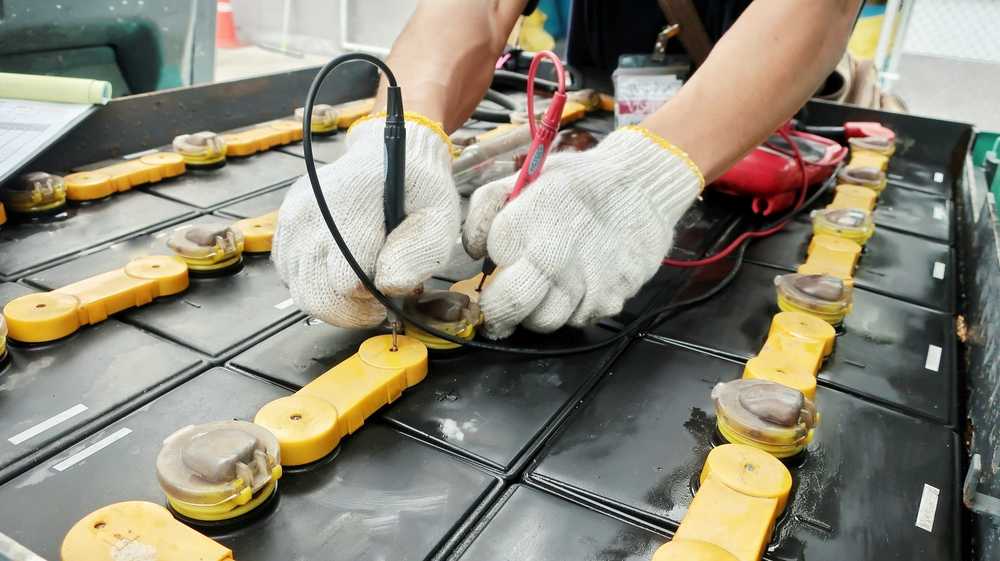
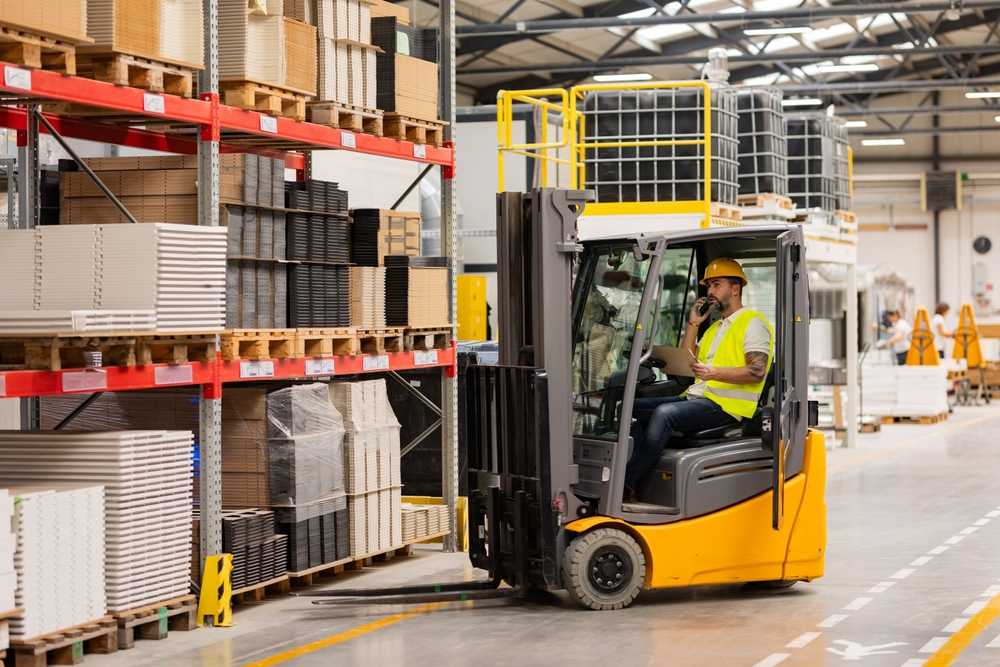
When you are beginning a shift and the forklift won’t start, it can be a frustrating moment because the equipment isn’t working when you need it the most. The cause of the unresponsive forklift could be anything from a dead battery to a tripped safety interlock.
Before you call a technician, there are a few things that you can check to see if you can troubleshoot the issues. Sometimes, a few minutes of checks and troubleshooting can get the machine back into working order so that you can continue with your workday.
What Causes a Forklift to Suddenly Not Start
Most no-start problems fall into three categories:
- Electrical
- Fuel
- Mechanical
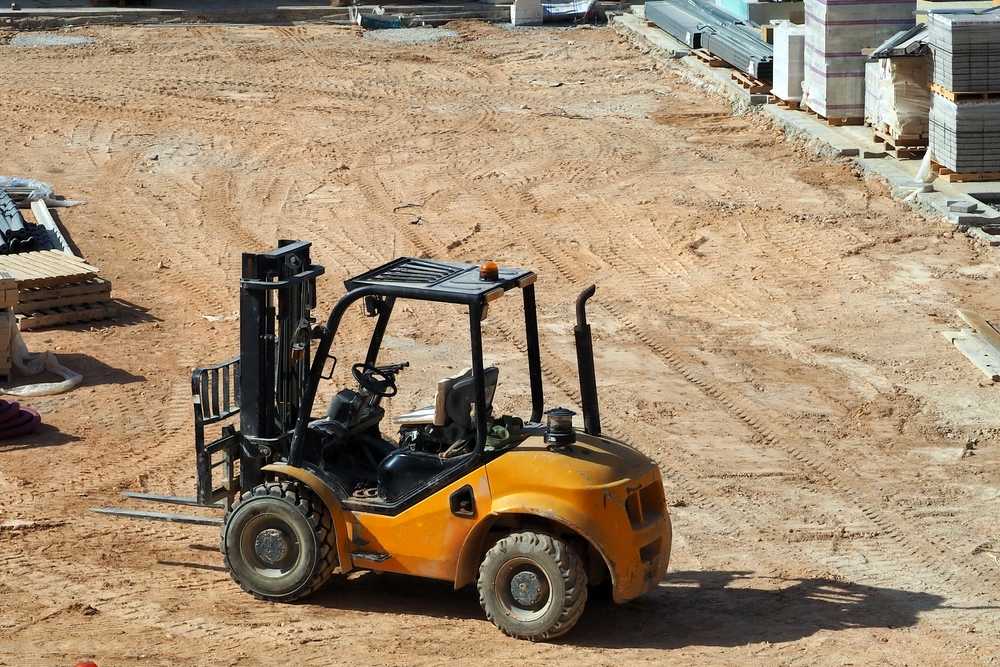
The fastest way to fix the issue is to rule out each category instead of simply guessing which parts might fix the issue. First, you need to know which type of forklift you are working with (internal combustion vs. electric-powered); then you can narrow down the list of things to check before calling a technician.
Check 1: Battery and Connections
If the forklift cranks but won’t start, or it is cranking slowly, then it could be a battery issue. Other common signs of battery problems include dim dash lights or nothing happens when you turn the key. It’s possible that the battery might be dead or dying. Or, it could be disconnected and just needs to be reattached.
Other problems with a battery might include loose, corroded, or damaged battery terminals. These are the most common issues (and the easiest problems to fix). So, if you are experiencing any problems with the forklift’s electrical fault, always inspect the connections before assuming that the whole battery needs to be replaced.
Check 2: Key, Ignition, and Seat Safety Switch
The next step is to take a look at the seat safety switch. Most forklifts have a safety feature in place that requires the operator to be fully seated before the machine will start. The seat switch is part of the safety interlock circuit. So, make sure that you are settled into the seat, and always try starting it again before troubleshooting other electrical issues.
If the seat switch is engaged and working, then the next place to look is at a potentially worn or failing ignition switch, since these issues are common forklift ignition problems (especially on older units).
Check 3: Fuel, Propane, or LP Tank Issues
For a fuel or propane truck, make sure that you don’t have an empty tank or a closed valve. Also check for an improperly seated connection, which could be one of the reasons why the forklift won’t start.
Other fuel-related issues that could be failing include the fuel lockout solenoids or shutoff valves. If this is happening, it will cut off the fuel delivery even if the tank is fine, which might be the reason why the forklift won’t start.
Check 4: Interlocks, Starter, and Fuses
Several things are combined in this step, so follow the checklist in order:
- Make sure that the hydraulic interlocks or parking brake safety switches aren’t preventing the forklift from cranking. For example, if the brake isn’t fully engaged or the sensor has failed, then it could prevent the machine from starting.
- If you are experiencing a starter that clicks but won’t engage, then it could be a weak battery or a failing solenoid.
- If you have total silence when trying to start the forklift, then it usually means that there is no power reaching the starter.
- Finally, before you assume a bigger problem, always check the fuse box. If there is a single blown fuse or a tripped breaker, then it could be the root cause.
Check 5: Onboard Computer Faults (Electric Forklifts)
All electric forklifts rely on an onboard controller. If you see any warning lights or blinking error codes on the dash, then the system is telling you where you need to look. So you don’t have to start diagnosing from scratch.
Look at the illuminated dashboard lights, and they will point you in the right direction.
When It’s Not a Quick Fix…And You Need to Call a Technician
There are several signs that you are better off calling a technician, especially if you’ve been through this checklist and the forklift still isn’t starting. Some of the reasons that you might need technician services include:
- No-crank symptoms that keep repeating
- A burning smell
- The starter engages but it doesn’t turn the engine
- You need to jumpstart the truck more than once in a week
Pre-Shift Inspections to Prevent No-Start Issues
Taking a proactive approach with inspections and maintenance will help you catch potential battery, fluid, and connection issues before they turn into a breakdown. Make sure that every operator is consistent about following the pre-shift inspection checklist. It only takes a few minutes each day, but could save many hours of downtime later.
Also, make sure to stay ahead of fuel needs and propane tanks. Schedule regular battery testing. These habits are simple, but can make a big difference in avoiding downtime.
FAQs
Why does my forklift click but not start?
If the forklift is making a clicking sound with no crank, then it usually means that the battery is too weak and it can’t turn the starter. Or it could be that the starter solenoid is failing.
Can a bad battery make a forklift not start?
Yes, a dead or dying battery is one of the common reasons a forklift won’t start. If you can see that the dash lights are dim or absent, then it’s usually pointing to a battery issue.
Why won’t my forklift start after refueling?
When you have filled the fuel tank and the forklift still won’t start, then it could be due to a fuel lockout solenoid, a closed valve, or the propane tank connection is improperly seated.
Expert Forklift Technicians in Dallas/Fort Worth
Most of the time, no-start problems are due to battery, safety interlock, or fuel issues. If you’ve gone through this checklist and are still having problems, then rest assured knowing that our technicians at ACE Equipment are always just a phone call away.
In addition to forklift maintenance and repair services, we also offer rentals, sales, and more. Contact us today for more information about available services.