 24-Hour Turnaround Commitment
The forklift tires that you choose will have an undeniable impact on the machine’s performance and safety, especially when you pick the right tires to match environmental conditions. If you have the wrong tire, or worn-out tires, then the risk of accidents goes up because of poor traction. Plus, improper tire selection can result in faster wear and tear over time.
It’s important to understand that different terrains require different types of forklift tires. There’s never a one-size-fits-all solution, which is why you should consult with our expert team and choose your tires wisely. The right choice protects your equipment and crew and also helps to reduce operating costs in the long run.
The Main Types of Forklift Tires
The first step to choosing the best forklift tires for your needs is to understand the different types of tires that are available. Here’s a quick overview to help you see the differences:
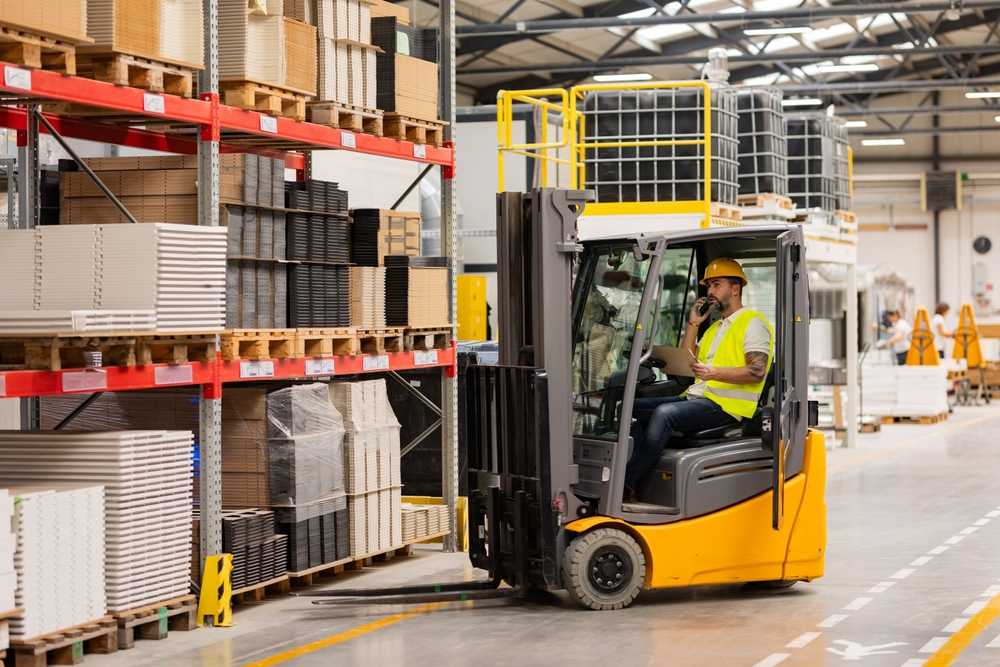
- Cushion Tires: These tires are designed with smooth, solid rubber that is pressed onto a metal band. We recommend cushion tires if you are using the forklift in an indoor setting, such as a factory or warehouse. The benefit of cushion tires is that they allow for a tight turning radius, which is ideal in small spaces. Keep in mind that cushion tires aren’t durable enough to be used on uneven or rough surfaces.
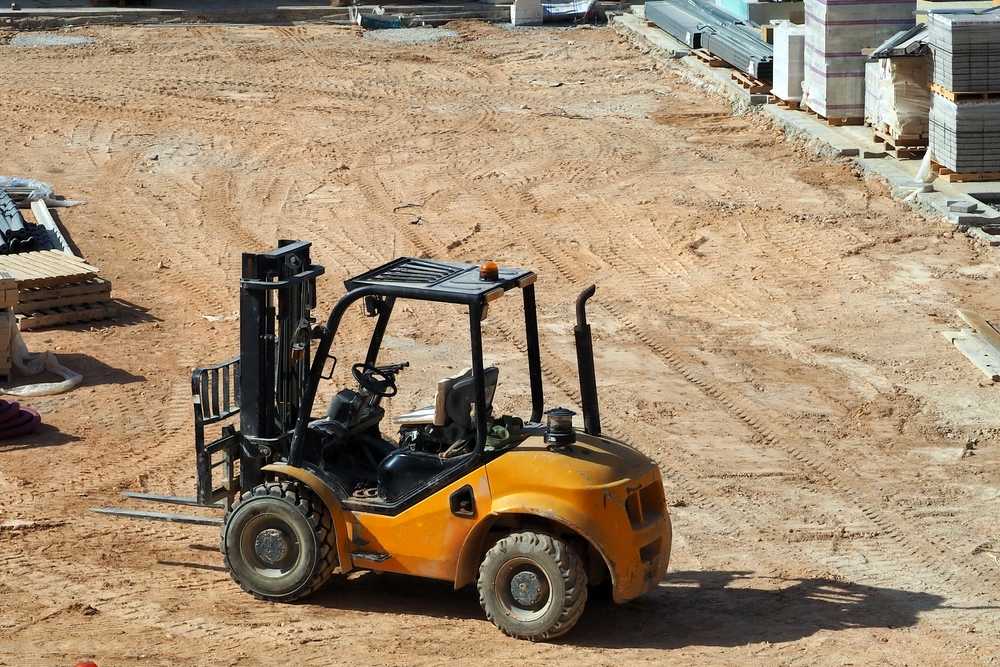
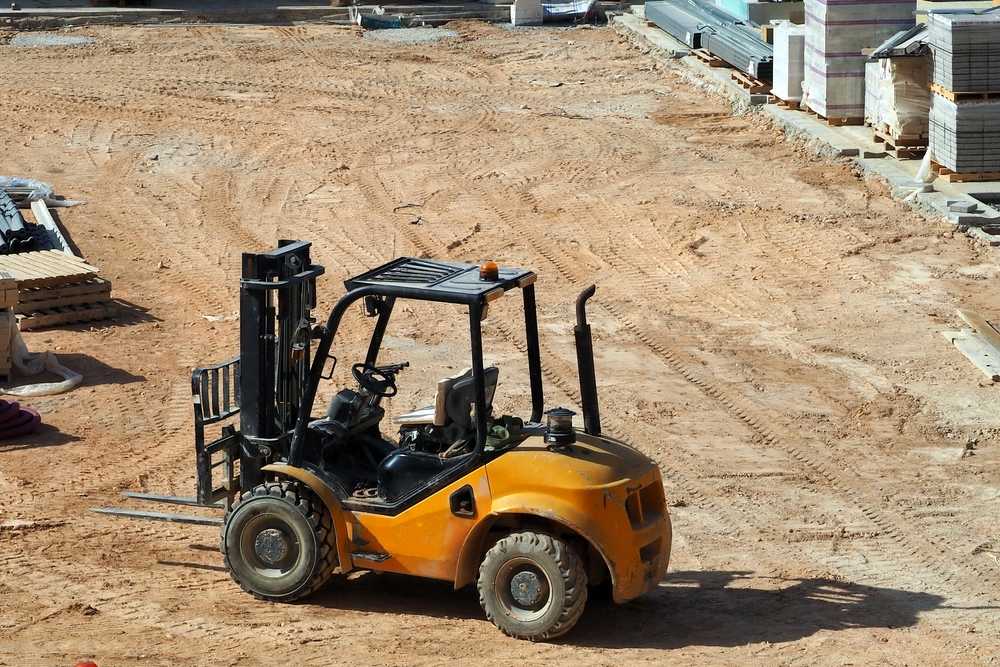
- Pneumatic Tires: If you choose a pneumatic tire, it is similar to the type of tire you put on a car or truck. These tires are filled with air and are ideal if you need shock absorption and traction in outdoor conditions. If you are using the forklift on dirt, gravel, or uneven ground, then consider pneumatic tires. But keep in mind that you need to be proactive about regular air pressure checks to avoid tire blowouts.
- Solid Pneumatic Tires: These tires look like regular pneumatic tires, but they are made with solid rubber instead of being filled with air. A solid pneumatic tire is ideal if you need extra durability and puncture resistance. So, choose this type of tire if you will be using the forklift in tough conditions, such as an outdoor location with glass, nails, and sharp objects. Even though these tires are more expensive, they usually last longer compared to air-filled options.
- Polyurethane Tires: If you are looking for forklift tires that are lightweight and resistant to chemicals, oils, and abrasions, then polyurethane is the way to go. We often see these tires used on electric forklifts for light-duty indoor use. Since they have lower rolling resistance, they are more energy-efficient compared to other types of forklift tires. It’s important to note that polyurethane tires are not suitable for heavy loads or outdoor operations.
Matching Tires to the Terrain
One of the most essential factors that will influence your tire choice is the type of terrain where you will be using the forklift. There is a big difference in the tires that are recommended for indoor and outdoor use. Our team at ACE Equipment can offer personalized recommendations based on your unique needs.
If you are using the forklift inside on a smooth floor, then you’ll likely want to go with cushion tires or polyurethane tires. These designs are ideal for polished floors and tighter spaces, like navigating a warehouse. You can maneuver easily without worrying about damage to the flooring.
On the other hand, if you are using the forklift outside in rough terrain, then you will benefit from pneumatic tires since they can handle dirt and gravel. If you have a site that has a lot of debris, such as a construction site, then go with a solid pneumatic tire to avoid a puncture. Both regular and solid pneumatic tires offer the stability that you need in uneven terrain.
Mixed-use forklifts might be operated both outdoors and indoors. The most versatile choice is a solid pneumatic, which can be ideal to reduce the need to switch forklift tires. Our customers with warehouses and outdoor yards or loading areas often use this type of tire.
What You Need to Consider Before Choosing Forklift Tires
The simplest way to pick the ideal forklift tires is by reaching out to our team at ACE Equipment for personalized recommendations. We will discuss your needs and where the forklift will be used. Some of the factors that are evaluated include:
- Load Capacity: If you will be using the forklift for heavier loads, then you need a stronger tire, such as a solid or pneumatic.
- Tire Material: You can choose between rubber and polyurethane, depending on your budget and the durability needed for your work conditions.
- Tire Tread Patterns: Deeper tire treads are ideal to give you the traction you need outdoors. But if you are using the forklift inside, then you’ll want to go with a smoother tread.
- Environment: Other environmental factors should be considered, including temperature, moisture, and chemicals that may come in contact with the tires.
Expert Tips for Extending the Life of Your Forklift Tires
A little bit of maintenance can go a long way to extend the life of your forklift tires. If you have pneumatic tires, then we recommend that you check tire pressure regularly to avoid a blowout or flat tire. Also, look for any visible signs of damage, such as cracks, flat spots, or chunking. These are all signs that the tire might need to be replaced.
You can extend the life of your forklift tires by rotating them, which helps to keep the wear spread evenly on the tires.
Also, make sure that your drivers are well-trained on safe driving habits. If the drivers are making sharp turns or braking heavily, then it can decrease your tire life.
FAQs
What are the main types of forklift tires?
The main categories of forklift tires include cushion, pneumatic, solid pneumatic, and polyurethane tires.
How do I know if my forklift tires need replacement?
If you see visible damage, such as cracks or flat spots, or you notice reduced traction, then it’s time to replace your tires.
Call the Forklift Experts for Personalized Recommendations
Do you have questions about choosing the right tires for your forklift? Reach out to our professional team at ACE Equipment to learn more about your options. Contact us for full-service forklift solutions, including rentals, sales, parts, maintenance, and more.