 24-Hour Turnaround Commitment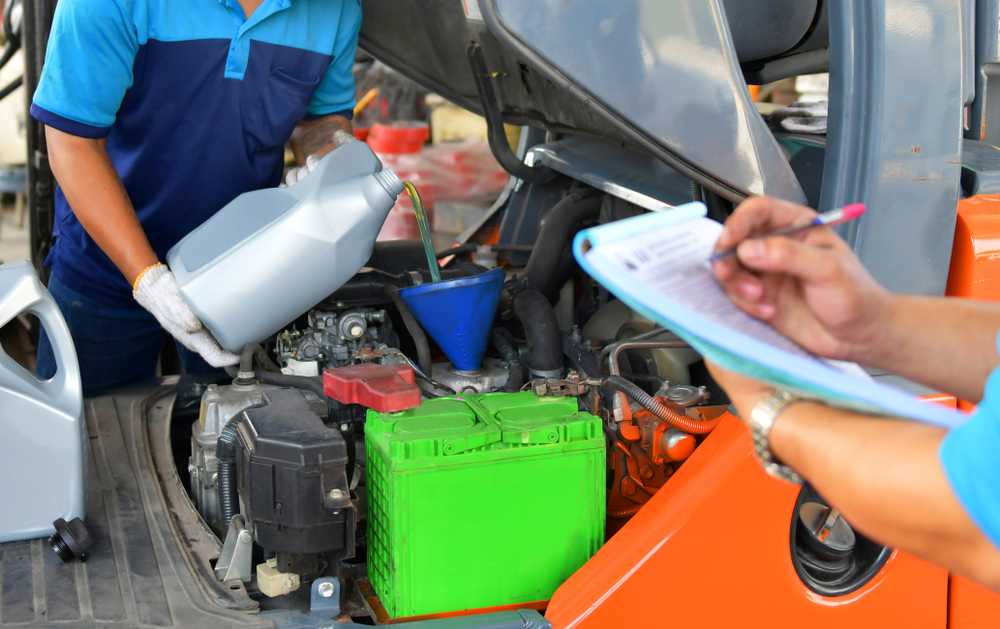
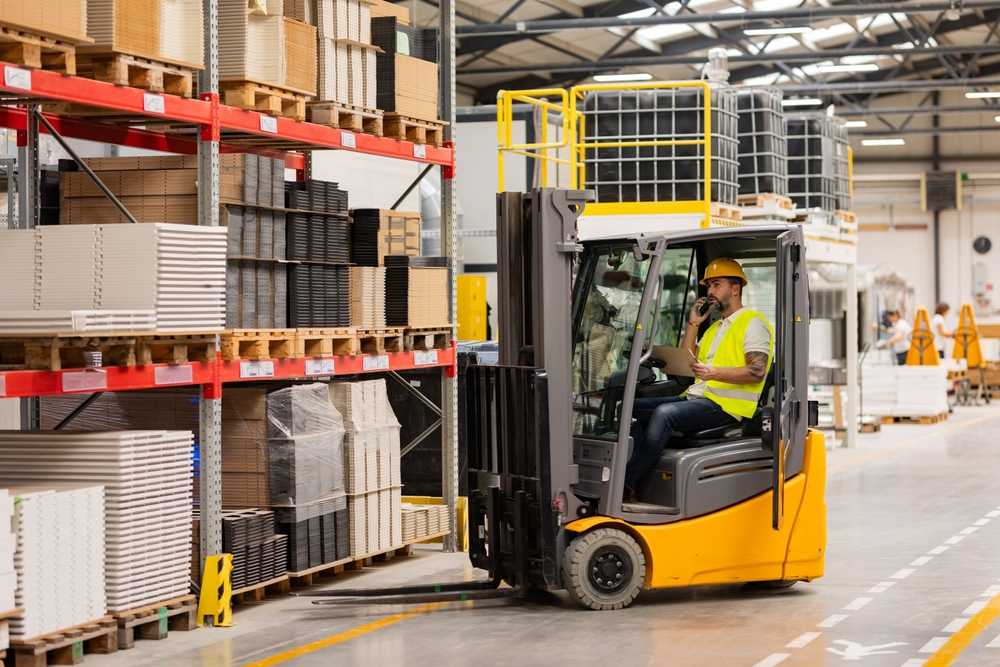
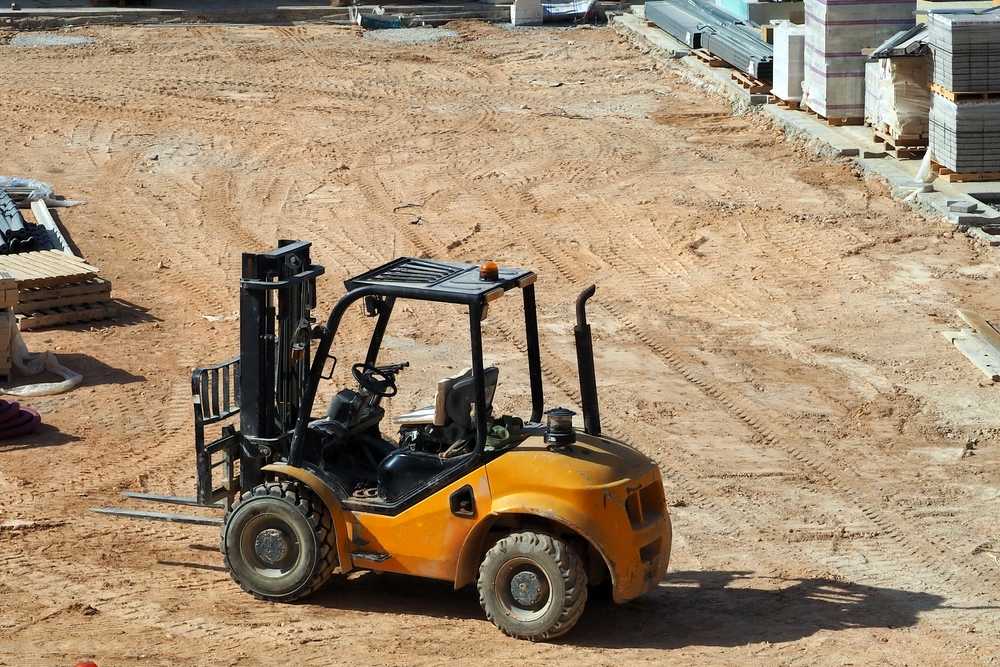
A reliable forklift is an essential tool that allows you to navigate a warehouse or work yard and move items with ease. So, if there are warning signs that your forklift is having problems, then it’s essential to take a proactive approach with forklift transmission repair as soon as possible. When the system starts to fail, you can prevent even bigger issues by handling the repair services without delay.
Some of the most common signs that might indicate you are experiencing forklift transmission issues include slipping gears, delayed engagement, or smelling something burning when the forklift is in use. If you notice that any of these issues are occurring, then it’s critical that you stop using the forklift and contact our repair technicians right away.
Why Forklift Transmissions are Prone to Damage
Did you know that forklift transmissions tend to fail more quickly compared to regular car transmissions? Since a forklift is often operating under a constant load, it puts extra pressure on the transmission and other equipment functions. To make matters worse, frequently changing directions and running the equipment in high heat and dusty environments can contribute to faster wear and tear.
The type of transmission in your forklift depends on the category of equipment that you are using. The three most common types of forklift transmissions include:
- Automatic (also known as powershift)
- Hydrostatic
- Manual
In most cases, a forklift transmission failure is usually caused by a breakdown in the fluid system or mechanical wear on the clutch. Another common issue is if the coolers are blocked because of heat damage.
9 Warning Signs of Forklift Transmission Issues
How do you know when it’s time to call our experienced team for forklift transmission repair services? Here are some of the most common warning signs that your transmission needs to be serviced or repaired:
- Power Loss: You might notice that the forklift loses power while carrying a load. Or, the gears might start slipping, causing the engine to rev without any acceleration.
- Delayed Engagement: When you put the forklift into drive or reverse, does it respond immediately? If there is a delay or pause, then it could be an early sign of clutch damage or solenoid wear.
- Unusual Noises: Pay close attention if you hear sounds such as grinding, whining, or clunking. These noises are especially concerning if they happen when you are shifting or moving the load, because they could be an indication of damage to a bearing or an internal gear.
- Leaking Fluid: Check under the forklift and see if there are any signs of leaking fluid. These drips often indicate that gaskets or seals are failing. Remember that low forklift transmission fluid can start a domino effect that increases wear and tear.
- Burning Smell: If the machine is overheating or you can smell that it is running hot, then it’s essential to perform forklift transmission troubleshooting because the cooler lines might be blocked. For example, you might see warning lights illuminated or notice that there is a burnt fluid smell while the forklift is in use.
- Loss of Drive: When the forklift won’t go forward or reverse, then it’s likely an indication of solenoid failure or a broken shift that needs to be repaired.
- Shaking or Shuddering: When accelerating, if the forklift starts shaking or shuddering, then you might have contaminated fluid or a clutch breakdown.
- Dipstick Warnings: When checking the dipstick, pay close attention to whether the fluid is dark or if there are metal shavings. These issues indicate that you are dealing with internal damage that needs to be addressed immediately.
Forklift Transmission Troubleshooting: How Our Techs Diagnose the Problem
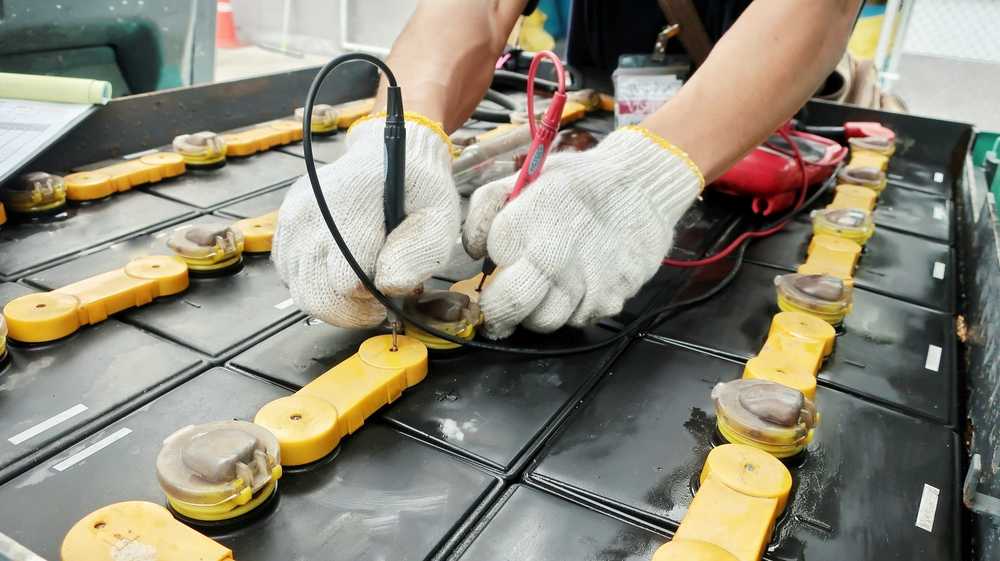
The good news is that you don’t need to navigate forklift issues on your own. Call our experienced team, and our technicians will come to your location to diagnose the issue. We start by checking the fluid levels and condition, then inspect various elements such as the seals, pan, and cooler lines.
Forklift transmission troubleshooting should also include an inspection of the sump screen and filter to see if there are any metal particles or unusual buildup.
Next, we’ll test the inching pedal and bell crank lever, then run a stall test and pressure test to ensure the clutch is working correctly. We can also use the transmission control module to see if any fault codes are coming up, which helps with accurate diagnosis before forklift transmission repair.
Preventive Maintenance That Extends Forklift Transmission Life
Instead of waiting to repair the machine when the forklift transmission fails, it’s better to take a proactive approach with regular maintenance. Catching and addressing potential issues in the earliest stages helps to reduce the risk of bigger repairs in the future.
Some of the recommended steps to protect your transmission include:
- Check forklift transmission fluid levels during every pre-shift inspection
- After every 250 hours of operation, the filer and sump screen should be serviced
- Full fluid changes are recommended every 1,000 to 2,000 hours (check the manufacturer’s recommendations)
- Proper operator training can help to reduce wear and tear, such as teaching the crew to avoid plugging, overloading, or moving with rapid direction changes while carrying a load.
FAQ
What are the most common signs of a forklift transmission failing?
The most common warning signs that you are dealing with forklift transmission issues include grinding noises, a burning smell, the load starts to slip, or the drive/reverse is delayed after engagement.
How much does a forklift transmission rebuild cost?
Your out-of-pocket costs depend on the type of forklift, how much internal damage occurred, and the specific repair services that are needed. For example, a clutch pack rebuild tends to run between $1,500 and $3,500, while a full rebuild can cost up to $7,000.
Don’t Let a Failing Transmission Shut Down Your Operation
One of the biggest mistakes you can make is to ignore forklift transmission problems. When these issues are left unaddressed, they will cascade into full equipment failure in the future. The best solution is to be proactive about forklift maintenance and repairs in the earliest stages. Call our team at ACE Equipment for more information about available services. We also offer forklift rentals so that you can keep operations running while your forklift is being repaired. Contact us today for personalized recommendations.