 24-Hour Turnaround Commitment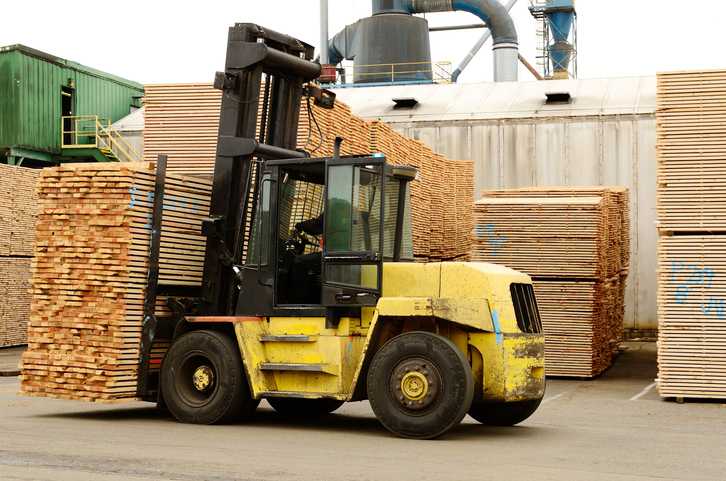
Choosing the right forklifts for lumber yards not only ensures efficiency in the workplace, but the type of forklifts you choose will play a critical role in overall safety. Instead of picking the first forklift based on brand loyalty, it’s worth the time and effort to explore your options and learn more about lumber yard forklift specs.
In this guide, we are walking you through the details that will determine whether your machine is going to hold up in a working yard.
Why the Forklift Capacity Matters
The first thing to look at is the lumber yard forklift capacity. In most lumber yards, they run Class 4 forklifts that are rated between 8,000 and 15,000 lbs. Instead of only calculating the capacity based on the average load, it’s better to look at the heaviest bundle that the forklift will need to carry.
Remember that the forklift capacity will drop when the center of gravity moves away from the mast. So, if you are moving long lumber bundles, then you’ll need to calculate the distance beyond what is shown on the spec sheet.
As you are sizing your forklift, we always recommend sizing for the worst delivery day (not just a typical Tuesday). If your forklift is undersized, then there is a much higher risk of accidents and tip-overs in the yard operations, especially on the busiest days.
Tires: Pneumatic or Solid
The next decision is about the type of tires that you choose for your forklift, and they should be selected based on the environment where you will be using the forklift. Here are a few tire selection considerations when outfitting forklifts for lumber yards:
- Cushion Tires: These tires are not recommended for lumber yards because they will wear out quickly in gravel conditions and on uneven surfaces. Additionally, cushion tires sit too low to navigate yard debris.
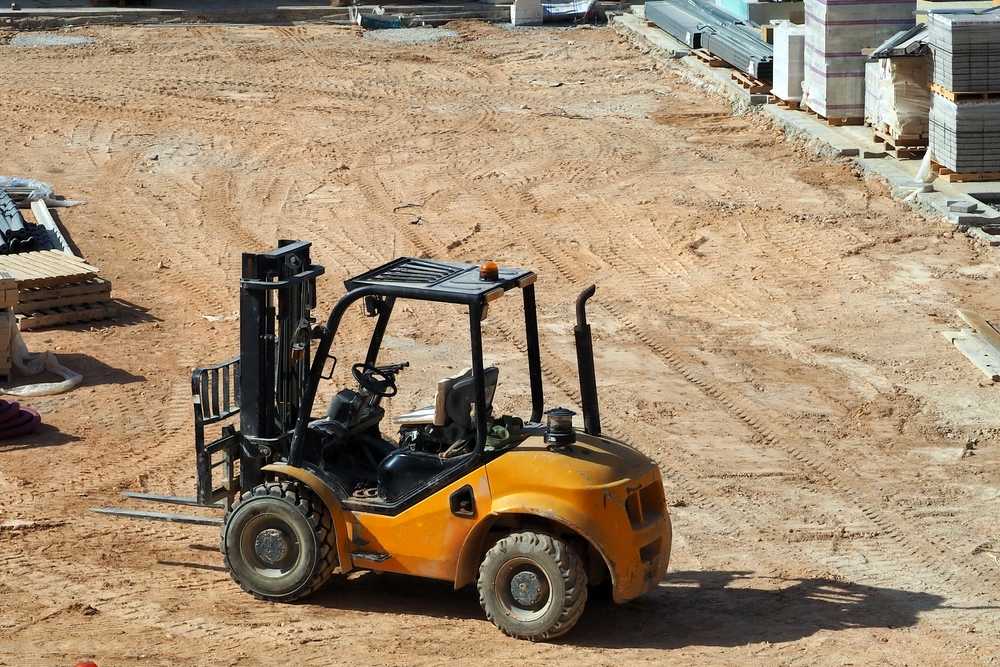
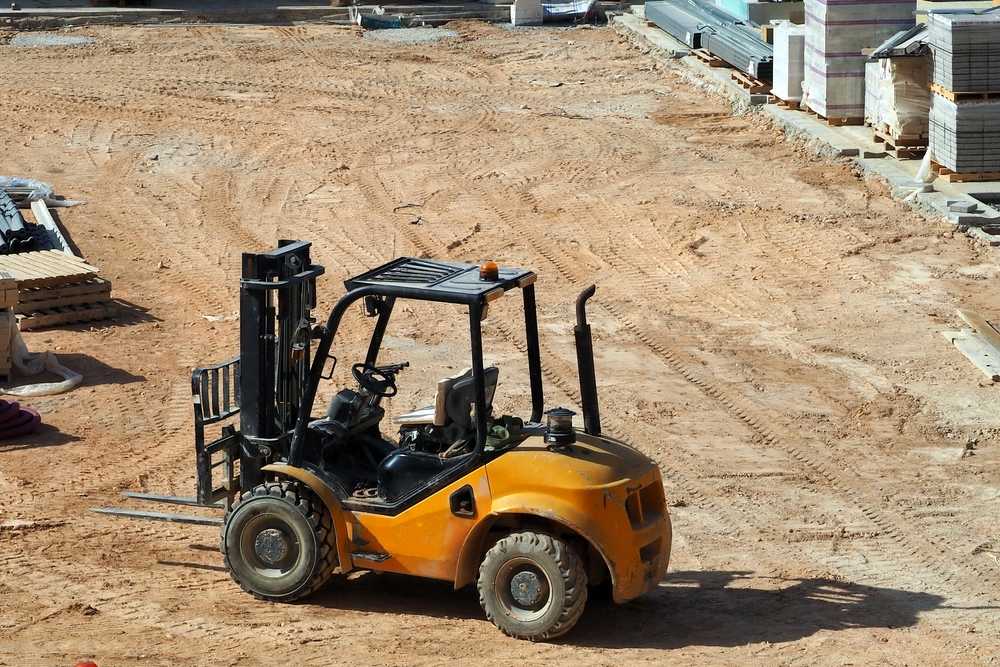
- Air-Filled Pneumatic Tires: These tires are a bit cheaper, and they can absorb shock well. But they can also be vulnerable in yard conditions. Nails and scraps in the yard can increase the risk of flat tires, which will have a negative impact on productivity.
- Solid Pneumatic Tires: A better option is to choose solid pneumatic tires because they never go flat. Even though the upfront cost is a little higher, it’s worth the investment because you can avoid downtime. Most lumber yards recover the cost difference within three to five years.
Our team is here to help you find the best pneumatic tire forklift for lumber yards. We’ll discuss your needs and evaluate your workload and environmental factors, then help you find the right machine and tires to match your budget.
Mast Height and Free Lift Features
The type of mast on your forklift matters, which is why you need to consider the typical workload and compare your options. Two-stage, three-stage, and quad masts are available, but the configuration can have an impact on the overall reach.
Make sure that you know the free lift rating, which is how high the forks can rise before the mast starts extending. This rating matters, especially when you are working under covered sheds and navigating low ceilings.
We recommend that you match the mast to the tallest indoor stacking point. If you only look at the open-yard ceiling when choosing a forklift, then you might run into limitations with indoor usage.
How Boom Attachments Change the Math
There are various types of attachments that can expand the function of your forklift, including jib booms, telescopic booms, and pole attachments that turn the standard forklift into a crane. This configuration can be ideal in certain circumstances when you need to load trucks or move bundled stock.
It’s important to understand how each attachment lowers the machine’s rated capacity. Once the attachment is mounted, the capacity plate changes need to be made so that the machine displays accurate numbers based on the current configurations. If you skip these recalculations, then it could cause your forklift to be overloaded, increasing the risk of safety issues and accidents.
Often, lumber yards choose to rent a boom attachment for the busy season instead of buying equipment that will be sitting in storage for a good portion of the year. Talk to our team about your usage and timelines, and we’ll help you decide whether a purchase or rental is best for your unique needs.
Forks and Fuel Type
In most cases, standard 48-inch forks aren’t sufficient for moving long lumber. When you are asking how to choose a forklift for lumber yard work, we typically recommend forks between 60 and 72 inches. This fork length allows you to carry the full length of the bundle (and prevent bowing at the same time).
When it comes to fuel type, diesel is often the way to go for lumber yard forklifts. Diesel can handle the heavy loads that are being moved. Electric forklifts don’t typically hold up in outdoor conditions, especially in the high summer temperatures here in Texas. If you need a combination of both indoor and outdoor use, then an LPG forklift might be the way to go.
FAQs
What forklift capacity do I need for a lumber yard?
The general recommendation is a forklift that is rated between 8,000 and 15,000 (to match the heaviest bundles that you will need to handle).
How important is free lift in lumber yards?
Free lift is most important when you are moving loads under covered sheds since the free lift rating determines how high you will be able to stack before the mast needs to be raised.
What’s the best fuel type for heavy-duty lumber handling?
We typically recommend either diesel or LPG, depending on whether the forklift is always outdoors or being used in a combination of both indoor and outdoor use.
Should You Rent or Buy a Forklift? Talk to Our Team at ACE Equipment
Our team at ACE Equipment is here to offer the personalized recommendations that you need. Contact us to see if it makes sense to buy forklifts for lumber yards for year-long use. Or, we offer rentals for your short-term needs. Some of our clients rent the forklift first to test the specs, then buy the equipment.
Call us today to learn more about how to choose a forklift for lumber yard use. We’ll help you find the ideal mix of capacity and attachments to match your yard. Contact us today for personalized recommendations.