 24-Hour Turnaround Commitment
One of the most critical safety systems on your forklift can sometimes be overlooked: the brakes. But just because the brakes are out of sight, it doesn’t mean that you can neglect them. In fact, forklift brake system repair should be an essential item on your safety checklist, ensuring that operators can stop the machine safely at all times.
If a brake failure occurs, it increases the risk of a variety of issues, including tip-overs, collisions, and potentially serious injuries for the operator and other people in the area. So, a proactive approach to taking care of the breaks is one of the most important things you can do to prevent accidents and avoid downtime in the warehouse.
Why Brake Maintenance Can’t Be Ignored
Forklift brake repair is essential, especially when the machine is operating in tight spaces with people and inventory nearby. If the brakes are worn or failing, then it reduces the operator’s control over stopping distances, which can cause serious consequences.
Neglecting the braking system on your forklift increases liability issues and can even increase your repair and maintenance costs in the future. Not only do you need to be proactive with forklift brake maintenance requirements to protect your crew members, but these safety practices are also required to ensure that you are staying in compliance with OSHA requirements.
How a Forklift Brake System Works
The brake system on a forklift works similarly to other types of cars and trucks. It’s designed with brake pads and shoes, which create friction against the rotors or drums when the brakes are engaged. There is a master cylinder and hydraulic lines that handle the braking force. Additionally, a parking brake is locked into place when the forklift is not in operation.
Modern forklifts are designed with warning lights and sensors, so you are always alerted about potential problems. If these lights turn on, then you should address them immediately. Don’t continue using the machine if it requires forklift brake system repair or maintenance.
The best solution is to be proactive with regular inspections and maintenance so that any potential issues are identified in the earliest stages. This proactive approach helps you avoid complications and bigger repairs in the future.
Common Warning Signs of Forklift Brake Problems
Operators and all team members should be trained on the most common forklift brake warning signs. Watch out for these symptoms of bad forklift brakes:
- Unusual noises while braking, such as grinding or squealing.
- When the brake pedal is pressed, it feels soft, spongy, or unusually stiff.
- There is a delayed response when braking, or you notice that the stopping power is lower than normal.
- The forklift pulls to one side when the brakes are engaged.
- Brake fluid is leaking and causing visible marks on the floor under the forklift.
- Warning lights indicate low brake fluid levels.
- The forklift vibrates when braking.
- A burning or unusual smell.
Daily and Periodic Brake Inspection Basics
The best way to ensure your forklift brakes are in good condition is by maintaining regular inspections on a daily and periodic basis. These inspections help you identify potential issues in the earliest stages so that you can avoid more complicated and expensive repairs in the future.
A thorough inspection should include:
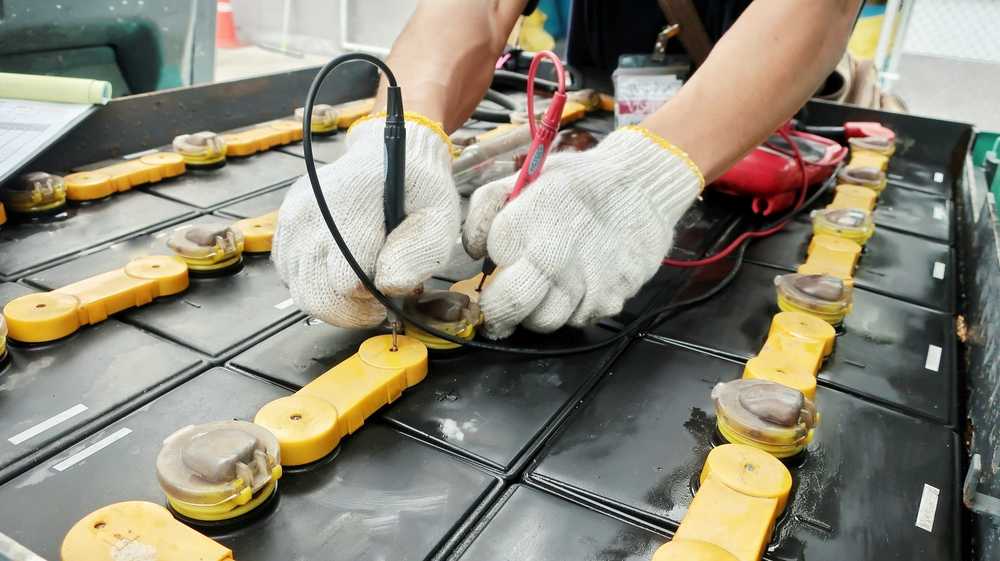
- Check the brake fluid to inspect the level and color.
- Test the pedal resistance.
- Verify that the parking brake engages correctly.
- Inspect the visible brake lines and fittings.
- Pay attention if you hear abnormal noises when the forklift is operating.
Common Forklift Brake Failures and Causes
When the forklift is being used heavily, it’s normal to have wear and tear on the brake pads and shoes. It’s normal that the pads and shoes need to be replaced occasionally as part of your routine forklift brake system repair.
Another common issue is when there is air in the hydraulic lines, which can cause the brake pedals to feel spongy. Additionally, if the brake fluid is contaminated or old, then it could interfere with the braking function.
Other potential issues that might require repair include wear or internal leaks in the master cylinder, loose fittings, or damaged hoses.
Safety and Compliance Risks of Ignoring Brake Issues
When the brakes aren’t functioning correctly, you could be facing both safety and financial consequences. For example, if the equipment is unsafe, then OSHA violations can result in expensive fines and delays in the workplace.
Also, neglecting the forklift brake system repair can increase the risk of accidents and injuries in the workplace, causing serious liability issues for you. Resulting lawsuits and workers’ compensation issues can be quite expensive.
Other potential problems and expenses can start to stack up when the forklift is out of commission, causing unexpected downtime and lost productivity. At the same time, the long-term repair expenses become much more costly if you procrastinate regular maintenance and preventive repairs.
FAQs
How often should forklift brakes be inspected?
Daily brake inspections should be completed by the operators at the beginning of their shifts. Also, a more thorough brake inspection should occur during regular service intervals.
Can I replace forklift brake pads myself?
Minor repairs can be handled by your team. But it’s usually best to bring in trained technicians for brake repair and replacement to ensure that everything is handled properly.
Why does my forklift brake pedal feel spongy?
If you notice that the brake pedal feels spongy when it’s pressed, then it is likely because there is air in the brake lines or the brake fluid is low.
Reliable Brakes Result in Safer Operations
Safety is critical, especially in high-risk working conditions. Make sure that your forklifts are operating correctly with regular inspections and maintenance. The quality of the brake system has a direct impact on forklift safety and compliance, which is why early detection of potential issues is critical.
Follow these forklift brake system repair tips to prevent accidents and minimize the risk of downtime. If you need help with inspections, maintenance, or brake repair, then our team is always here to assist. Reach out to us at ACE Equipment. In addition to repair and maintenance services, we also offer forklift rentals and sales. Contact us today.