 24-Hour Turnaround Commitment
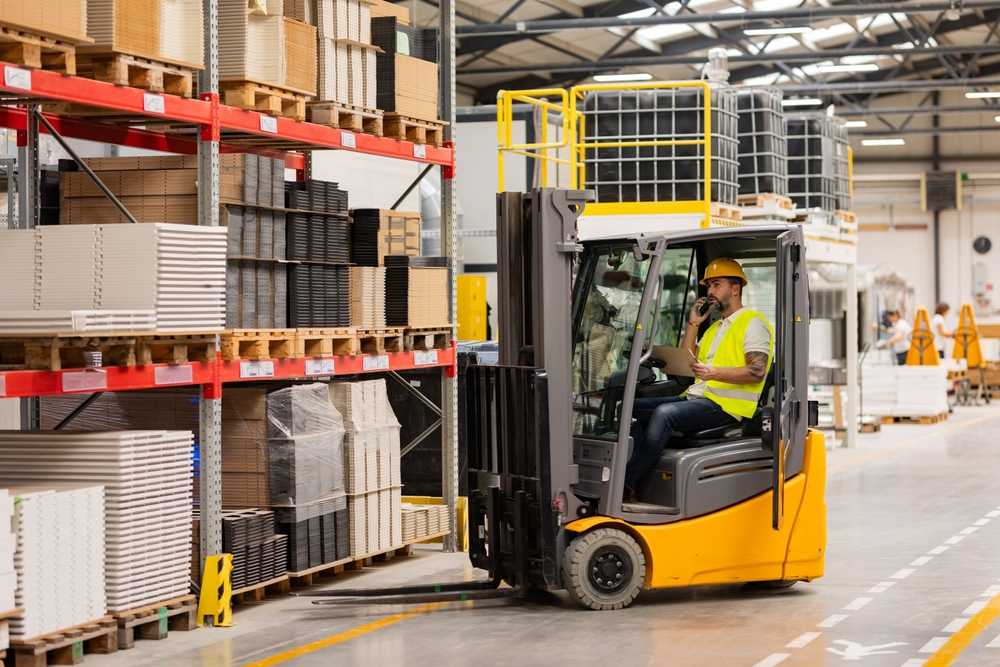
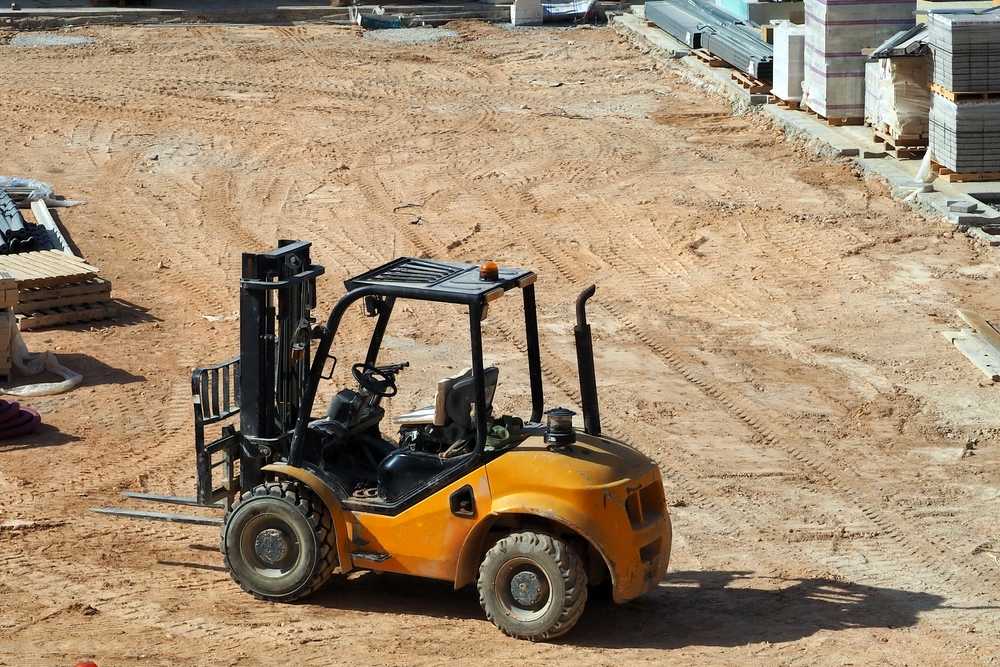
Forklifts are essential in many industrial and warehouse settings, helping to optimize efficiency and quickly move heavy loads. While there are many benefits of using forklifts in the workplace, they can also be quite dangerous when used incorrectly.
What forklift safety practices is your crew following to reduce the risk of injury? The truth is that most forklift accidents could have been avoided because they often result from someone’s mistake. One small forklift safety issue can cause serious consequences, including injuries, damaged products, and even penalties from OSHA.
In this article, we are covering the basic things that you need to know about forklift safety and protecting your crew. The more proactive you are about maintaining these safety standards, the easier it is to avoid potential issues now and in the future.
The Most Common Mistakes to Avoid
As a manager or business owner, you need to be proactive about implementing a few best practices to maintain safety in the workplace. Here are a few things to keep in mind:
- Forklift Training and Certifications: No one on your team should be operating the equipment if they haven’t been through the proper forklift training and received the necessary certification. Have strict standards in place with your training requirements to ensure that only skilled drivers are behind the wheel.
- Load Management: The next step in forklift safety is to ensure that the loads are being managed properly. Not only should loads be distributed evenly but also be careful to avoid overloading the forklift. These loading practices help to reduce the risk of spillage or tipping when the forklift is in motion.
- Careful Driving Techniques: The way the forklift is handled matters, especially when the operator is carrying a load. Forklift accidents can be minimized by slowing down the driving speed and avoiding reckless turns (especially in tight areas).
- Maintaining Full Visibility: When a forklift operator is in the driver’s seat, they should have full 360-degree visibility as they are driving. This is one of the reasons why high loads are not recommended, because they can interfere with visibility. Make sure that mirrors are not blocked and always check blind spots before turning or moving.
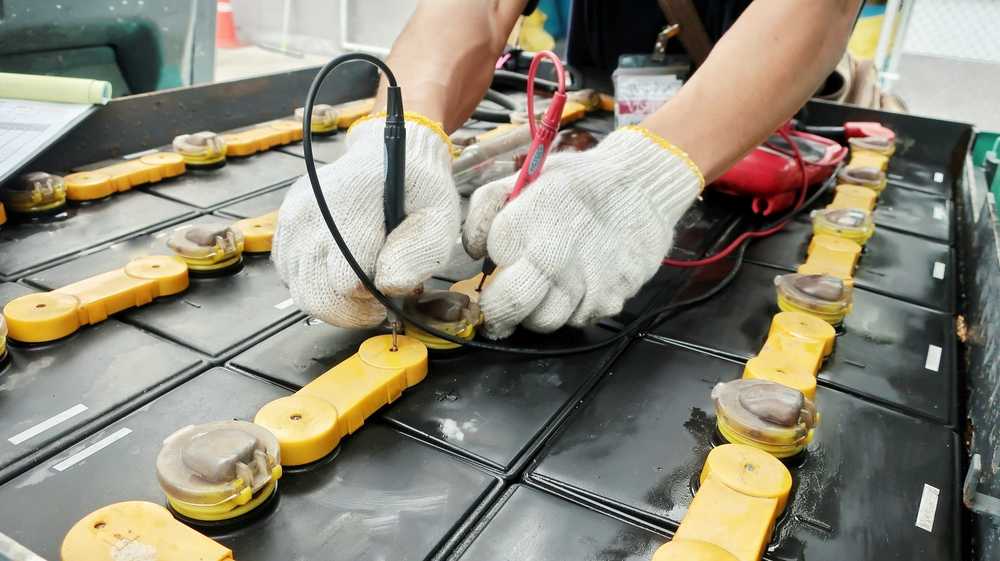
- Safety and Maintenance Checks: One common forklift safety practice is to have a checklist that is followed each day before the equipment is used. These maintenance checks can catch potential issues in the earliest stages, ensuring that repairs are handled before an accident happens.
- Effective Brake Usage: Not only do forklift best practices need to be implemented when the machine is in use but also make sure that your team members have forklift training about parking the equipment. The parking brake should always be set when the forklift is not in motion. Also, make sure to use proper parking strategies when leaving the forklift on an incline.
- Operator Conditions: The operator should not be using a forklift if they are under the influence of certain medications, overly tired, distracted behind the wheel, or under pressure. If a team member isn’t feeling their best, then find another forklift operator to handle the immediate tasks.
How to Avoid These Costly Forklift Accidents and Errors
When your team takes a proactive approach to forklift safety, you can avoid some of the most common mistakes that lead to accidents, injuries, and damage. Follow these forklift best practices to ensure safety on your worksite:
- Require all operators to hold the necessary certifications and complete in-depth forklift training before they can use the equipment.
- Always respect load capacity limits for the equipment you are using.
- Train your team members about ways to avoid common load handling mistakes.
- Communicate and enforce speed limits when the forklifts are driving.
- Manage blind spots by using mirrors, smart routing, and spotters on the ground.
- Always have daily inspections before the forklifts start working.
- Keep a maintenance log and stay proactive to keep up with the necessary upkeep for the equipment.
- Make sure that forklift operators are trained on safe parking procedures.
- Keep your team members at high performance levels by providing regular breaks.
- Emphasize the importance of focus while driving, including distraction avoidance at all times.
FAQs
What are the most common human errors in forklift operations?
Human errors are the most common reason why accidents and damage happen when a forklift is in use. Some of the human errors that threaten forklift safety include poor training practices, overloading the forklift, speeding while driving a forklift, and poor visibility.
How can improper training lead to forklift accidents?
If an operator is not properly trained on forklift safety, then they don’t know the best ways to handle the machine. Not only does improper training increase the likelihood of an operator mistake when the forklift is moving, but it can also impact load handling and the person’s ability to handle different types of hazards.
What role does OSHA play in forklift safety?’
OSHA oversees workplace safety, including forklift safety, the use of heavy machinery, and more. Every business owner, manager, and forklift operator should be familiar with OSHA forklift guidelines and implement these practices at all times. OSHA guidelines must be the foundation of workplace rules for forklift safety.
How often should forklift operators undergo refresher training?
The common recommendation is that operators should go through a forklift safety training refresh every three years. But if the person is driving unsafely or they are involved in an accident, then they should complete a safety training course before using the forklift again.