 24-Hour Turnaround Commitment
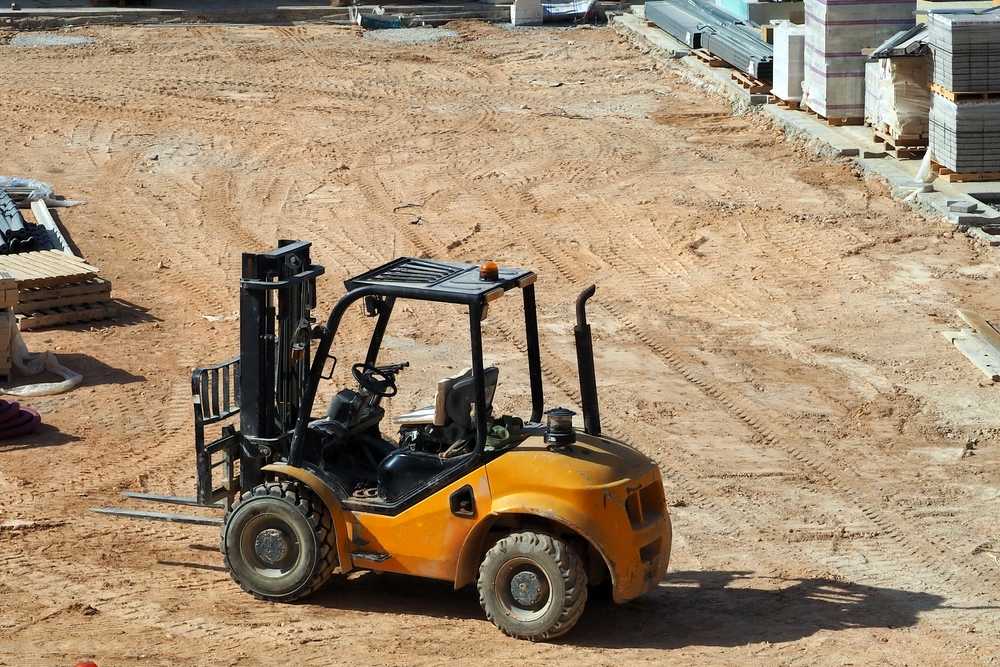
With the right training and safety practices, forklifts can be useful in a variety of warehouse, construction, and industrial settings. If you are using one or more forklifts in your workplace, then it’s critical to stay consistent with the forklift maintenance schedule to reduce the risk of accidents and injuries.
A good checklist helps you identify potential wear and tear as soon as possible, which reduces the risk of equipment failure in the future. Plus, keeping up with a forklift inspection and maintenance schedule is essential for compliance and regulatory purposes. It’s your job to ensure that your crew members are protected.
Ultimately, the goal is to keep the equipment running smoothly and safely so that you can maintain high levels of productivity in the workplace. Having an inspection and maintenance checklist reduces human error and creates accountability at the same time.
What to Include in Your Forklift Safety Checklist
Creating a good checklist right now is a great investment, because your team will continue using this checklist to ensure safety in the future. The best strategy is to create three sections of the forklift maintenance and inspection checklist: pre-operation, operation, and post-operation.
All of the most important parts of the forklift should be included on this safety checklist: brakes, steering, tires, forks, fluid levels, hydraulics, and controls. Plus, make sure that your team is checking and using all of the safety features that are built into a forklift, including mirrors, the horn, seatbelt, and an alarm that sounds when backing up.
Not only does the forklift inspection checklist provide instructions for operators to follow, but it can also act as documentation since these things are marked off when completed. There should be a space where the operator can leave their initials to confirm a successful inspection. If there are any issues discovered during the inspection, then you need to have a clear reporting process so that the forklift can be serviced as soon as possible.
As you are creating this checklist, make sure it is simple and easy to complete. A streamlined inspection and maintenance system will be easier to implement on a daily basis.
Pre-Shift Safety Walkthrough: What to Check Before You Start
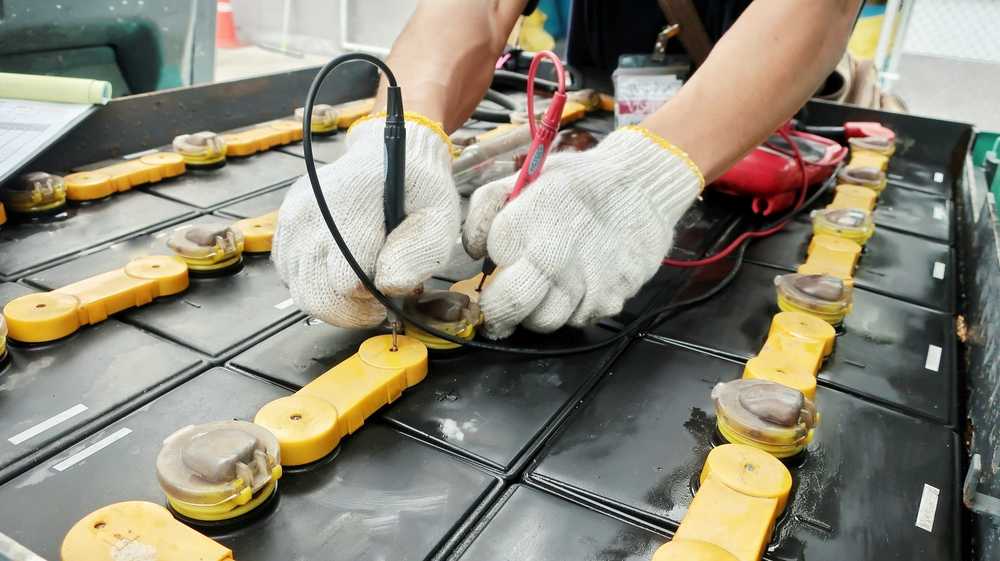
Before the forklift is fired up for the day, the operator must take time to inspect the equipment using the forklift maintenance checklist. These are some of the things that you might want to include in the pre-operation inspection checklist:
- Visual check for the tires, fluid leaks, and any obvious damage
- Testing safety features such as the horn, lights, and alarms
- Checking the forks to make sure that they are aligned and secure
- Checking the seatbelt and overhead guard
- Testing fluid levels and topping them up if needed
During Operations: Staying Safe When the Forklift is Running
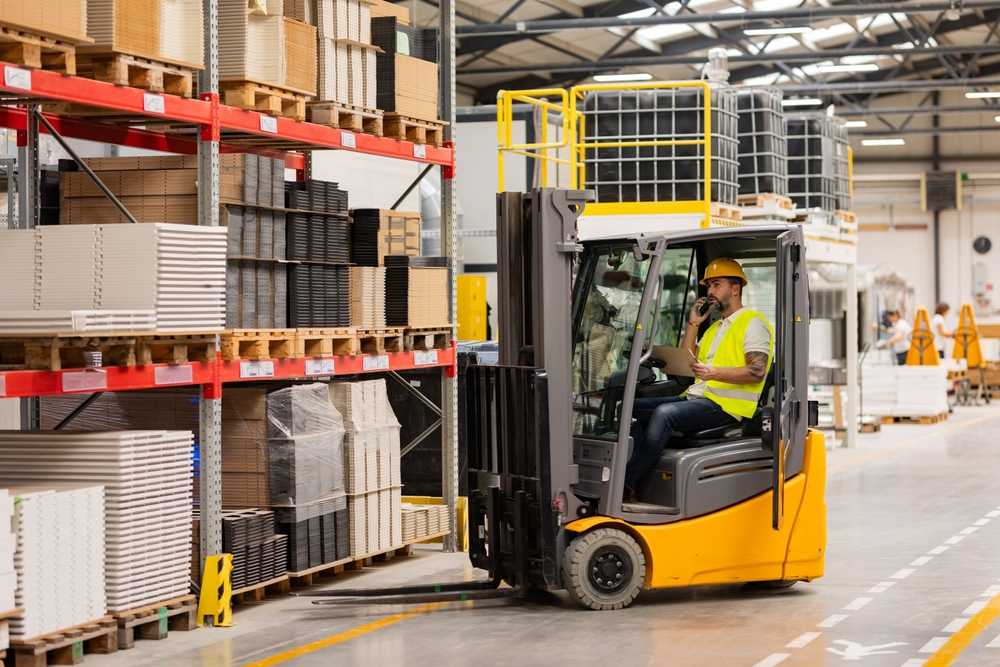
Once the forklift passes the initial pre-operation inspection, then the operator can get to work. Make sure that your drivers are well-trained on all safety practices and OSHA forklift regulations. Common safety practices include:
- Maintain slow driving speeds, especially when carrying a load
- Keep the loads balanced and stable, and position the load low while driving
- If you are reversing or navigating in tight spaces, always use alarms and mirrors
- Avoid distractions and stay fully present, especially in pedestrian zones
- Always stay within the manufacturer’s rated load capacity
When your team is consistent about implementing these forklift safety tips, then it keeps everyone safe and reduces the likelihood of having an accident on the job.
End-of-Shift Checks and Shutdown Steps
At the end of the shift, there are a few more safety practices that need to be implemented during this time. Some of the best practices for shutting down the forklift at the end of the day include:
- Park in a designated area
- When the forklift is parked, the forks should be down
- Always set the parking brake and turn off the ignition
- Check the battery or fuel levels
- Wipe down the controls
- If there were any problems or malfunctions, then report them immediately
- Make sure the forklift is secured and ready for the next operator
Know the Rules: Meeting OSHA Requirements
Not only is the forklift inspection and maintenance process essential for protecting your crew and workspace, but these requirements must be followed in order to maintain compliance with OSHA forklift regulations. For example, in order to stay compliant, you must have daily inspections and maintain proper documentation at all times.
Ensure that your operators are certified and their training meets OSHA standards. Having a well-trained team helps with overall productivity, and it also helps you avoid accidents and expensive issues in the workplace.
Keep in mind that if you fail to comply with these regulations, then it could result in liability and fines in the future if/when workplace incidents happen. So, you want to make sure that your checklist is always up-to-date and aligned with OSHA requirements. It’s smart to update this checklist regularly.
Spotting and Preventing Common Hazards
There are several forklift hazards that can be spotted in advance in order to reduce the risk of tip-overs, visibility issues, and navigating tight spaces. Also, the drivers need to be proactive about watching for environmental factors that can influence safety, such as spills, ramps, and blind corners.
Other ways that your team can prevent forklift hazards and accidents are by maintaining speed limits, always signaling, and prioritizing pedestrian awareness. While management takes the lead and sets the tone for these forklift safety tips, employees need to be trained to recognize and respond to anything that might happen during their shift.
FAQs
What should be included in a forklift safety checklist?
Make sure that your forklift safety checklist includes pre-operation, in-use, and post-operation requirements. All major components and safety features should be included in this comprehensive checklist.
How often should a forklift inspection be done?
At a minimum, forklifts should be inspected at least once a day. We recommend a forklift inspection before each shift, which means that it might be happening several times a day.
Call the Forklift Experts Today
If you need help with a forklift inspection or maintenance, then our team at ACE Equipment is just a phone call away. We offer full-service solutions, as well as forklift rentals and sales. Contact us at your convenience and we will help you find the right equipment for your needs.